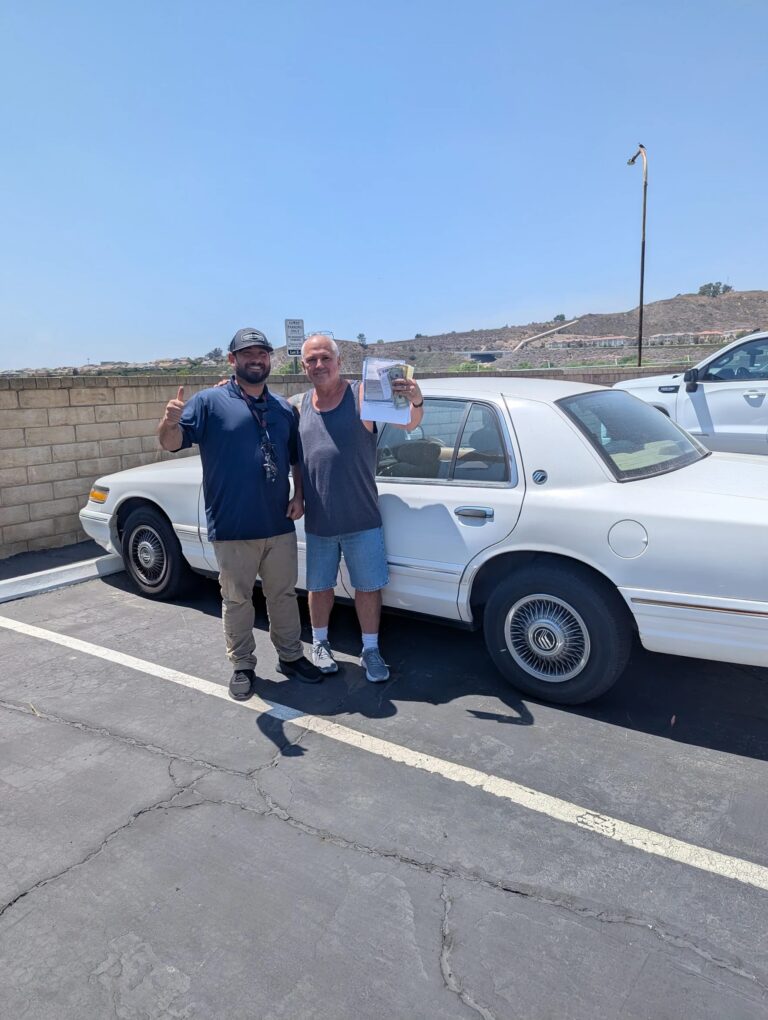

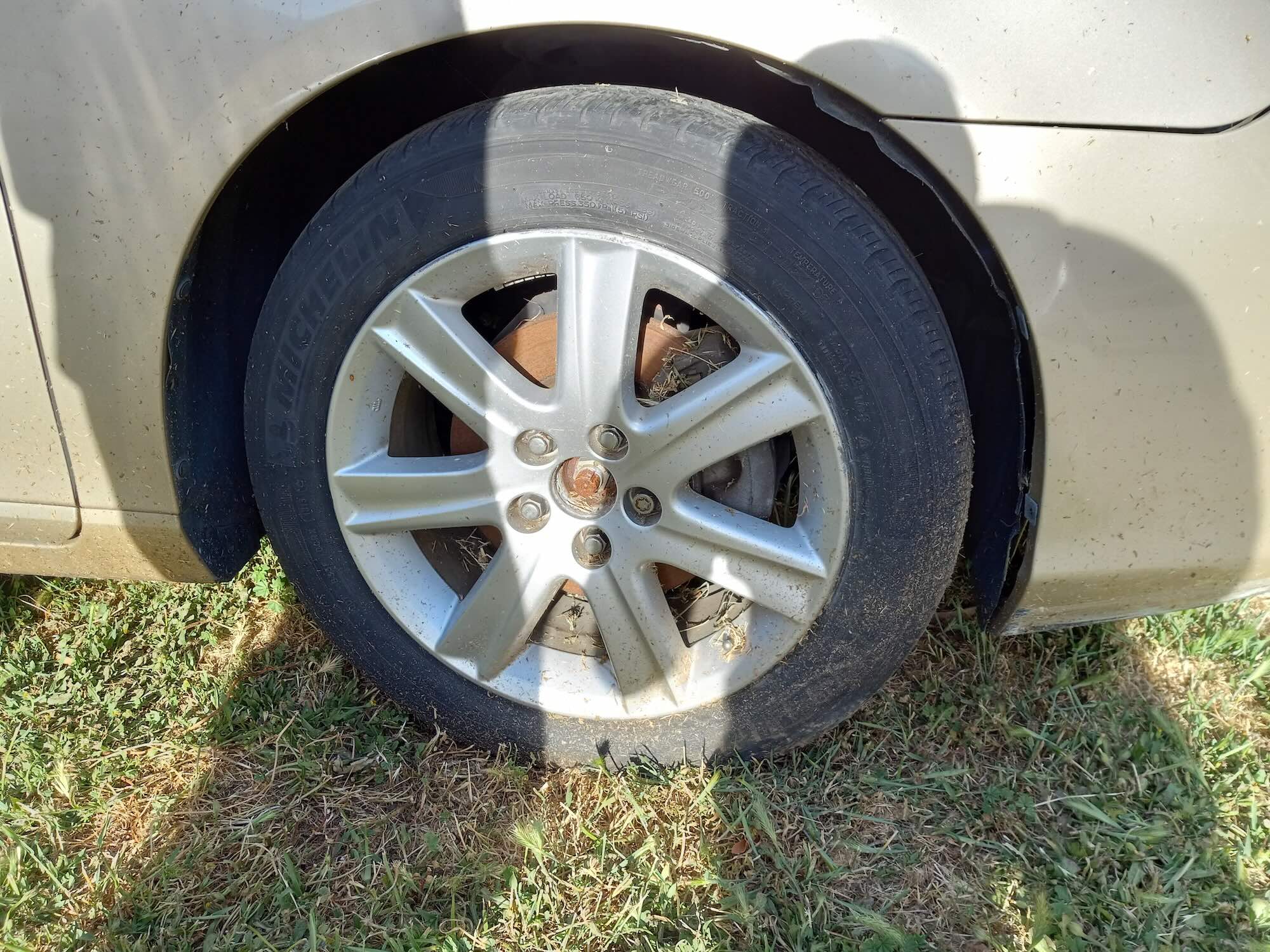
Brakes are the single most neglected maintenance item I see on cars across Orange County. People hear the squeaking for months, keep driving, and end up turning a $100 brake pad job into a $1,000 caliper and rotor disaster. And if you’re trying to sell a car with bad brakes, most buyers either lowball you hard or walk away because of the liability. So let me break this down for you — what brakes actually cost to fix, when to fix them, and when it makes more sense to just sell the car as-is.
If your car has brake problems and you want to skip the repair hassle, call me at (714) 900-3723. I buy cars with squeaky brakes, bad calipers, warped rotors, even empty brake fluid reservoirs. I’m Sonny Miller with GoCarBuyer.com.
The Real Cost of Brake Repairs (No Fluff)
Most people avoid brake work because they think it costs thousands. The truth is, if you catch it early, brakes are one of the cheapest repairs on a car. Here’s what each component actually costs:
- Brake pads — $40 to $100 per axle (set of 2 pads) depending on quality and warranty. So for both front and rear, budget around $200 for good pads or $100 for entry-level sets with limited warranty.
- Rotors — $60 to $100 each, and most modern cars have 4 rotors. Some older cars still use rear drum brakes instead.
- Calipers — These get pricey fast. If you let pads wear down to metal, the rotor gets damaged, and eventually the caliper itself needs replacement. Full brake jobs with calipers can run well into four digits.
- Brake fluid — About $10 to top off yourself, or $100-$150 at a shop for a full fluid flush. Most cars use DOT 3 fluid.
At a mechanic shop, expect to pay $300 to $500 for a full brake pad job with labor on a typical car. So if you also need rotors, add another $200-$400. And if you’ve waited long enough that the calipers are toast, then you’re looking at $800-$1,500+ depending on the vehicle.
Can You Do Brake Pads Yourself?
Yes, if you’re even a little mechanically inclined. Brake pad replacement is one of the most beginner-friendly repairs out there. You jack the car up, take the wheel off, unbolt the caliper, swap the pads, clean the hardware, and reverse the process. It takes about 30-45 minutes per wheel if you’ve never done it before, and maybe 15 minutes per wheel once you’ve got the hang of it.
Rotors are also DIY-able but take a little more confidence because the brake caliper bolts sit very tight, and you have to carefully seat the new rotor. So if you’ve never done brakes before, just hop on YouTube — there are hundreds of tutorials for your specific make and model. Just search “[your car year/make/model] brake pad replacement.”
The Warning Signs You Shouldn’t Ignore
Squeaking or squealing when you brake. That’s the wear indicator built into your brake pads — it makes noise on purpose when it’s time to replace them. So if you ignore it, the pad wears down to metal and starts chewing up the rotor. Then you went from a $100 job to a $400 job. So don’t ignore the squeak.
Grinding noise when you brake. You’re now metal-on-metal. The pads are completely worn out and the rotor takes a beating every time you stop. So every additional mile you drive is doing more damage.
Brake warning light on the dash. This usually means low brake fluid or a worn sensor. Either way, check it immediately.
Soft or spongy brake pedal. Could be air in the brake lines or contaminated brake fluid. This is a safety issue — don’t keep driving.
Brake pedal pulsates when you stop. Usually means warped rotors, often from overheating. Common on heavy vehicles and trucks.
Don’t Forget About Brake Fluid
This one gets ignored even more than the pads. So mechanics recommend you flush and replace your brake fluid every 2 to 3 years (or roughly every 30,000 to 40,000 miles). Brake fluid is hygroscopic, which means it absorbs moisture from the air. Over time, that moisture lowers the boiling point of the fluid, rusts the brake lines from the inside out, and damages calipers. So old brake fluid means softer brakes, longer stopping distances, and expensive brake system damage down the road.
Topping off your brake fluid when it’s low is a 2-minute job. Just pop the hood, find the brake fluid reservoir (it’ll be labeled), and fill to the MAX line with DOT 3 fluid. But a full flush means bleeding all four brakes in the correct sequence — so that’s usually where you want a mechanic unless you really know what you’re doing.
Should You Fix the Brakes Before Selling?
Depends on how far gone they are and what the car is worth.
If it’s just brake pads — then yes, spend the $100-$150 in parts and do it yourself, or $300 at a shop. Because a car with fresh brakes sells for significantly more than one with squeaky brakes, and you’ll recoup the investment easily.
If it’s rotors too — now it’s getting borderline. Maybe $400-$600 total. So still worth it on a car worth $8,000+, but not worth it on a $2,000 beater.
If it’s calipers, master cylinder, or brake lines — probably not worth it. At that point you’re looking at $1,000+ in repairs. So unless the car is worth $10,000+ in good condition, just sell it as-is.
There’s also a liability angle to consider. If you sell a car to a private buyer with brakes you know are unsafe, and something happens to them, that’s a problem you don’t want. A lot of people just want to sell the car with a clean conscience knowing they aren’t putting someone at risk.
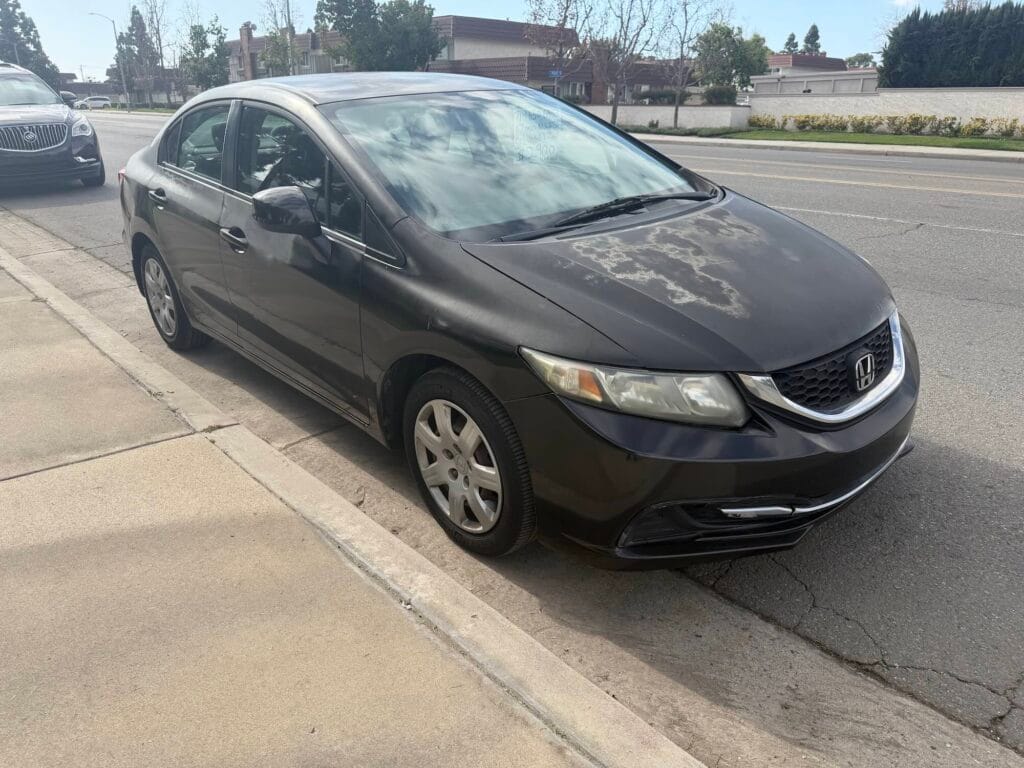
I’ll Buy Your Car With Bad Brakes — No Questions
If you’d rather skip the repair, skip the liability, and skip the hassle of finding a private buyer who won’t lowball you over brakes — just call me. I buy cars with bad brakes every week across LA, the Inland Empire, San Fernando Valley, and beyond. Squeaky pads, warped rotors, frozen calipers, empty reservoirs — I’ve seen all of it, and none of it kills the deal. I factor the repair cost in, but I’m not going to gouge you like a private buyer will.
If your car has other issues on top of the brakes — maybe high mileage, a check engine light, or expired registration — I handle all of it in one number.
Frequently Asked Questions
Will you buy a car with bad brakes?
Yes. I buy cars with squeaky pads, worn rotors, stuck calipers, and even cars that can barely stop. Brake issues don’t kill the deal — I just factor the repair into the offer and move on.
How much does it cost to replace brake pads?
DIY cost runs $100-$200 for parts (front and rear). At a mechanic shop, expect $300-$500 total with labor. So if you also need rotors, add another $200-$400. And full brake jobs with calipers can run $1,000 or more.
Is it safe to drive with squeaking brakes?
Usually yes for a short period, but get it fixed soon. Squeaking is the wear indicator warning you the pads are low. So once you start hearing grinding, you’ve gone too long — you’re now tearing up the rotors and calipers, and your stopping power drops.
Can I really save money by ignoring brake squeaks?
No — the opposite. Ignoring squeaks turns a $100 brake pad job into a $400 pads-and-rotors job into a $1,000+ pads-rotors-calipers job. Early action is always the cheapest move.
How often should brake fluid be changed?
Every 2 to 3 years, or roughly every 30,000 to 40,000 miles. Most cars use DOT 3 fluid. A full flush at a shop runs $100-$150 and keeps your brake system working efficiently. Old fluid absorbs moisture from the air, lowers the boiling point, and rusts brake lines from the inside.
Am I liable if I sell a car with bad brakes to a private buyer?
In most “as-is” private sales you’re not legally liable, but a buyer can still drag you into a civil claim if they argue you knew about the defect and didn’t disclose it. So if you’re worried about liability, selling to a professional buyer who takes the car off the road responsibly is just the cleaner path.
Don’t Let Bad Brakes Stall Your Sale
Whether you fix them and keep driving or sell the car and move on, you’ve got options. So call me, tell me what’s going on — squeaking, grinding, no brakes at all — and I’ll give you an honest number. No lowball over cosmetics, no pressure, no BS.
Sonny Miller — (714) 900-3723
GoCarBuyer.com
Cypress Office: 10601 Walker St Suite 102, Cypress, CA 90630
Van Nuys Office: 6360 Van Nuys Blvd #16, Van Nuys, CA 91401
Open 8 AM – 8 PM, 7 Days a Week — Find Us on Google Maps