

People call the Corolla boring. I call it money in the bank. There’s a reason you see these cars everywhere in Southern California — they just refuse to die. And because they refuse to die, they hold value way longer than most people think.
I’ve been buying Corollas for over 20 years. Every generation, every condition, every mileage range. Whether yours is a ’95 with a timing belt that’s overdue or a 2012 with a VVT rattle on cold starts, I know exactly what it’s worth — because I’ve bought dozens just like it. Call me at (714) 900-3723 and I’ll give you a straight number. I’m Sonny Miller with GoCarBuyer.com.
Why Corollas Hold Value Better Than Almost Any Car
Here’s the thing about Corollas — they just keep running. A 2005 Corolla with 220,000 miles is a completely different conversation than a 2005 Chevy Malibu with the same mileage. The 1ZZ-FE in the older ones and the 2ZR-FE in the newer ones both regularly hit 250,000 to 300,000 miles without major failures. That’s why I pay more for Corollas than most other cars in the same age range. Dealerships won’t touch a 200K-mile vehicle, but I see real value at that mileage because I know what these engines can do.
What I Look for by Generation
Not all Corollas are created equal. Each generation has its own quirks, and I price them based on what I know about the specific problems that come up at different mileage points. Here’s what I’m looking at when you call me:
7th Generation (1993–1997) — The Old School Survivors
These are getting old now, but I still buy them. The 4A-FE and 7A-FE engines in these Corollas are timing belt motors — non-interference, so even if the belt snaps, it won’t destroy the engine. That said, if you’ve got one with 150,000+ miles and the timing belt was never changed, it’s living on borrowed time.
Common things I see on these: oil burning (just like the newer ones), distributor wear that causes misfires, and the 3-speed automatic transmission — which has a separate differential fluid reservoir that most owners never check. That neglected diff fluid is actually the number one killer of those transmissions. If yours has the 4-speed auto (check for an overdrive button on the shifter), it’s a more reliable unit overall.
These cars are simple, cheap to fix, and still worth buying if they run. I just need to know the full picture before I make an offer.
8th Generation (1998–2002) — The Transition to Modern
This generation switched to the 1ZZ-FE engine with a timing chain instead of a belt — so no more worrying about belt replacement intervals. These are the Corollas that started the “just change the oil and drive it forever” reputation.
The biggest issue with the 1ZZ-FE is oil consumption, and it’s worse on this generation than the later ones. Some of these burn a quart every 800 to 1,000 miles. If the previous owner wasn’t checking the oil regularly, the engine could have internal damage from running low. But if the oil was maintained, these engines easily hit 250,000 to 300,000 miles.
9th Generation (2003–2008) — The Bulletproof Ones
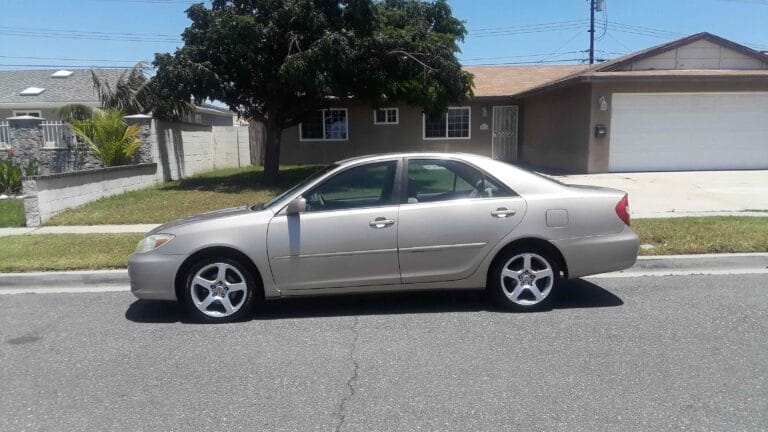
These are the Corollas I buy the most. The 1ZZ-FE carried over but Toyota refined it further. The most common issue is oil burning — if yours consumes a quart every 1,000 miles, that’s actually normal for this generation and doesn’t kill the value. I also see timing chain tensioner leaks on the passenger side of the engine, which can cause the chain to rattle if oil pressure drops. Catching it early means it’s a manageable repair.
The starter typically goes out after 100,000 miles, and the EVAP system — usually just a bad gas cap or charcoal canister — triggers a check engine light but doesn’t affect driving. Neither moves my price much because the fixes are cheap.
10th Generation (2009–2013) — Still Solid, Few More Things to Watch
The 10th gen switched to the 2ZR-FE engine, which Toyota continued using for years — even into the hybrid Corolla. Water pump failures were significant enough that Toyota revised the pump design. Most have probably been replaced by now, but if yours hasn’t, I factor that in. A leaking water pump can lead to overheating, and overheating a 2ZR is something you want to avoid.
The cold start VVT rattle — a brief screech when you first start it in the morning — is common but doesn’t usually mean the engine is failing. Strut mounts wear out on the fronts, and ignition coils need replacement around 100,000 miles. None of these are deal-breakers for me.
11th Generation (2014–2019) — The Newer Ones
Same 2ZR engine, now paired with a CVT in some models. These are still relatively young, so the problems are minimal. The main things I see are the same VVT rattle on cold starts and some oil consumption at higher mileage. Overall, these hold excellent value because they’re newer and the engine platform is well proven by this point.

Quick List: Corolla Problems That Don’t Kill the Deal
- Oil burning: Normal on older Corollas — doesn’t significantly affect my offer.
- Check engine light for EVAP codes: Usually a $15 gas cap or charcoal canister.
- Foggy or yellowed headlights: Cosmetic only, zero impact on price.
- Starter failure after 100K: Cheap replacement, barely moves the number.
- Worn struts or strut mounts: Expected wear item at this age and mileage.
What If Your Corolla Has Bigger Problems?
Sometimes a Corolla comes in with more serious issues. Maybe it’s overheating because the water pump failed and now you’re worried about the head gasket. Or maybe the check engine light is flashing — not just on, but flashing — which usually means a misfire that needs immediate attention.
Even in worst-case scenarios, Corollas still have real value. A replacement engine for a 2ZR runs about $700 to $1,200 — far less than most other cars. So even a Corolla with a serious engine problem is usually worth buying because the math works out. And if your Corolla also has expired registration or a missing title, none of that stops me — I handle all the DMV paperwork myself.
Frequently Asked Questions
How much is my Toyota Corolla worth?
It depends on the generation, mileage, and condition. But Corollas hold value better than most cars at high mileage because the engines last so long. Call me with your year and what’s going on — I’ll give you a number in minutes.
Will you buy a Corolla with over 200,000 miles?
Yes. I buy Corollas with 200K, 250K, even 300K miles regularly. These engines last, so the mileage alone doesn’t kill the deal. What matters more is how it’s running and whether the car was maintained.
My Corolla burns oil — is it still worth something?
Absolutely. Oil consumption is one of the most common traits of older Corollas, especially the 9th generation. As long as the engine isn’t knocking or overheating, burning oil doesn’t drastically lower the value. I factor it in, but it’s not a deal-breaker.
Is the cold start rattle on my 10th gen Corolla serious?
It’s common on the 2ZR engines — the intake VVT cam gear makes a brief screech on startup. It’s not ideal to ignore forever, but it doesn’t usually mean the engine is failing. I’ve bought plenty of Corollas with this rattle.
Should I fix my Corolla’s problems before selling?
Usually no. I buy Corollas as-is with whatever problems they have — check engine lights, bad starters, worn struts, oil leaks. The money you’d spend fixing those issues won’t come back dollar-for-dollar in a higher offer. Just sell it to me as-is and keep that repair money in your pocket.
Do I need to go to the DMV to sell my Corolla to you?
No. I bring all the proper paperwork and handle the entire transfer. You don’t go to the DMV, you don’t wait in line. I come to you anywhere in Southern California — usually within hours — and pay you on the spot.
Ready to Sell Your Corolla?
Tell me the year, the mileage, and what’s going on with it. I’ll give you an honest number based on what I know about your specific generation and its common issues — not a generic KBB estimate that doesn’t account for how these cars actually hold up. You can check my work against real market comps using the method I teach here.
Sonny Miller — (714) 900-3723
GoCarBuyer.com
Cypress Office: 10601 Walker St Suite 102, Cypress, CA 90630
Van Nuys Office: 6360 Van Nuys Blvd #16, Van Nuys, CA 91401
Open 8 AM – 8 PM, 7 Days a Week — Find Us on Google Maps