

Hello everybody, Sonny Miller here. I just wanted to help you guys combat high gas prices. Especially here in Southern California, gas prices could get significantly expensive. So I want to share some things that can help you combat high gas prices, based on my knowledge from dealing with vehicles for over 20 years. This isn’t a sales pitch — it’s just me trying to help you guys out.
Quick Wins at the Pump
First thing you guys can do right now — sign up for gas station rewards. A lot of people don’t know you could save significant money per gallon if you sign up for the big gas station companies:
- Mobil
- Shell
- Chevron
They have reward systems in place that save you money right at the gas pump. You could save 10 cents, 50 cents, sometimes even 70 cents per gallon. That’s a quick tip for you guys. You don’t have to have a special credit card with them, you do not need anything like that.
A lot of grocery stores partner with gas companies too, so you save per gallon when you shop. Costco has pretty cheap gas as well.
A few more quick wins that cost you nothing:
- Keep tire pressure at the standard level — uneven or low tire pressure makes you waste gas
- Don’t carry extra weight in your trunk or back seat
- Drive smoother — heavy acceleration and braking burn more fuel

Should You Get an Extra Gas-Saver Vehicle?
Another thing I suggest — every Southern California resident who can afford an extra vehicle, you might want to look at some of these vehicles I’m going to talk about. I’ll go over some pros and cons of each one so you know what you’re getting into when you shop the used market.

Natural Gas Vehicles (CNG)
Natural gas cars, or CNG vehicles, run on fuel that’s significantly less per gallon, so it’s a lot cheaper than regular gasoline. A lot of top makes and models come with this option if you look in the used car market. The makes I’d point you at first:
- Ford sedans
- Honda (Civic GX is a common one)
- Ford trucks — even F-150s have CNG options
- Ford cargo vans
Just make sure if you’re going to buy one of these, get the lowest miles possible and try to buy it as cheap as possible. Look for them on Craigslist, Facebook, OfferUp. I have seen some with pretty high miles, like 170,000 or 180,000 miles, still running fine.
Pros:
- Significantly cheaper per gallon than regular gasoline
- Pretty reliable — not quite as reliable as gasoline, but pretty good
- Available on Hondas, Fords, Ford trucks and vans
- Low-mileage used examples can still run great
Cons:
- Don’t last quite as long as traditional gas engines
- Refill stations aren’t on every corner — you have to plan your routes
- Used market is smaller, so you may need to hunt around
One thing I want you guys to know — the California Bureau of Automotive Repair has rules about the CNG fuel tanks themselves, and the state requires them to be inspected and certified for safe operation. Before you hand over any cash on a used CNG vehicle, take a minute to look at the tank label and check the certification date. If the seller can’t tell you when the tank was last certified, that’s a red flag. Look it up before you buy.

E85 Flex Fuel Vehicles
E85 flex fuel is a good option too. It’s basically just a sensor in the vehicle that tells it how to burn the fuel properly, but it’s meant for only vehicles equipped with this technology. You can’t just put E85 in any car.
Pros:
- Significantly cheaper than regular gasoline
- Widely available — most gas stations have it
- Easy fuel system, nothing complicated for the driver
Cons:
- Only works on vehicles equipped with flex-fuel technology
- From what I hear, they don’t last quite as long as traditional vehicles
- You have to shop around to find makes and models that hold up long-term
Good alternative if you find the right one. Just do some research on which specific flex-fuel vehicles last.

EV Vehicles (Electric)
EV vehicles, electric vehicles — depending on the make and model, they’re significantly cheaper to run day to day. But I would suggest anybody be a little cautious when buying a used EV vehicle, especially off a private party without a warranty. I would trust a CNG vehicle more than an EV when it comes to the used car market, if you could afford it.
Pros:
- Significantly cheaper to run day to day
- Most of them have a lot of power — instant torque
- No engine oil, no smog test, fewer moving parts
- Lower maintenance overall
Cons:
- Battery eventually needs to be replaced, and it costs a significant amount of money
- They lose value quickly once they hit 100,000 to 120,000 miles
- Battery gets weaker — what could hold 300 miles eventually holds less
- Charging takes time and you need stations nearby
- They lose significant value the moment you drive off the lot
I’ll tell you what no one else will tell you about EV vehicles — in the used car market, the depreciation hits hard. If you could afford it, try to buy a new EV. If you’re making payments, I would suggest leasing it or paying as little as possible. I’m not going to name makes and models because there are a lot of them and I don’t have a real good idea what’s the best when it comes to EVs.
One thing to know if you’re shopping used — the California Air Resources Board requires manufacturers to provide a warranty on EV batteries for a set number of years and miles. If the vehicle you’re looking at is past that warranty period, you’re taking on 100% of the battery replacement risk yourself. So check exactly where the original warranty stands on any used EV before you sign anything.

Hydrogen Power
Let’s talk about hydrogen power. Hydrogen, same thing as EV vehicles in some ways. Here in Southern California, we do have hydrogen stations. There aren’t a lot of them, but you can find them if you Google them. Hydrogen is actually significantly more expensive than gasoline sometimes. But here’s the thing with hydrogen vehicles — you don’t need to put as many gallons in your vehicle as gasoline, so it runs longer off fewer gallons.
Pros:
- You don’t need as many gallons — it runs longer off less fuel
- Most dealerships offer huge fuel card incentives — typically 10,000 to 15,000 dollars
- Quick refueling compared to charging an EV
- Zero tailpipe emissions
Cons:
- Hydrogen fuel itself can cost more per gallon than gasoline
- They lose value rapidly the second you drive off the lot
- Don’t last as long as gasoline vehicles
- Fueling network is shrinking — some stations have closed
- Compare a 1-year-old used one to new and you’ll see massive depreciation
With this, I would suggest getting a new one, same as with EVs. Try to get a new one, lease it, or finance it. I’m telling you guys what no one else tells you. I’m trying to be as transparent as I can with all the knowledge I have.
Something worth knowing about hydrogen in California right now — the hydrogen fueling network has been going through some major changes, and some stations have shut down while others stay open. Before you commit to a hydrogen vehicle, make sure to look up what stations are currently active in your area. The footprint isn’t what it used to be, and that matters a lot if you’re depending on it to get to work every day.
The Subscription Vehicle Reality
EVs and hydrogen to me really mean it’s more like a subscription vehicle. It’s not a vehicle you’re going to have for 25 or 30 years and keep. It’s something you’re going to have to trade up every time, or trade in and get the same model. That’s the most logical thing to do. But eventually, if you get tired of that, you will lose value there. You’ll lose money. It just makes common sense, unless you stay within that kind of system of EVs and hydrogen-powered vehicles.

The Simplest Option — 4-Cylinder Gasoline
The other vehicle I always suggest someone have as an extra vehicle — which is probably the simplest — is a 4-cylinder vehicle such as a Toyota or Honda with low miles, used or even new if you can afford it. Toyotas and Hondas are great vehicles, new or used. I suggest everyone in Southern California have an extra gas-saving vehicle.
It’s not just Toyota and Honda — there’s a lot of 4-cylinders out there.
Pros:
- They last a long time — hundreds of thousands of miles on Hondas and Toyotas
- Pretty good power for a small engine
- You go way longer with less gas — saves so much fuel
- Simple maintenance, predictable repairs
- Strong resale value
Cons:
- You’re still paying full gasoline prices at the pump
- That’s about it — not many cons when it comes to a well-built 4-cylinder
Shopping the Used Market? Read This First
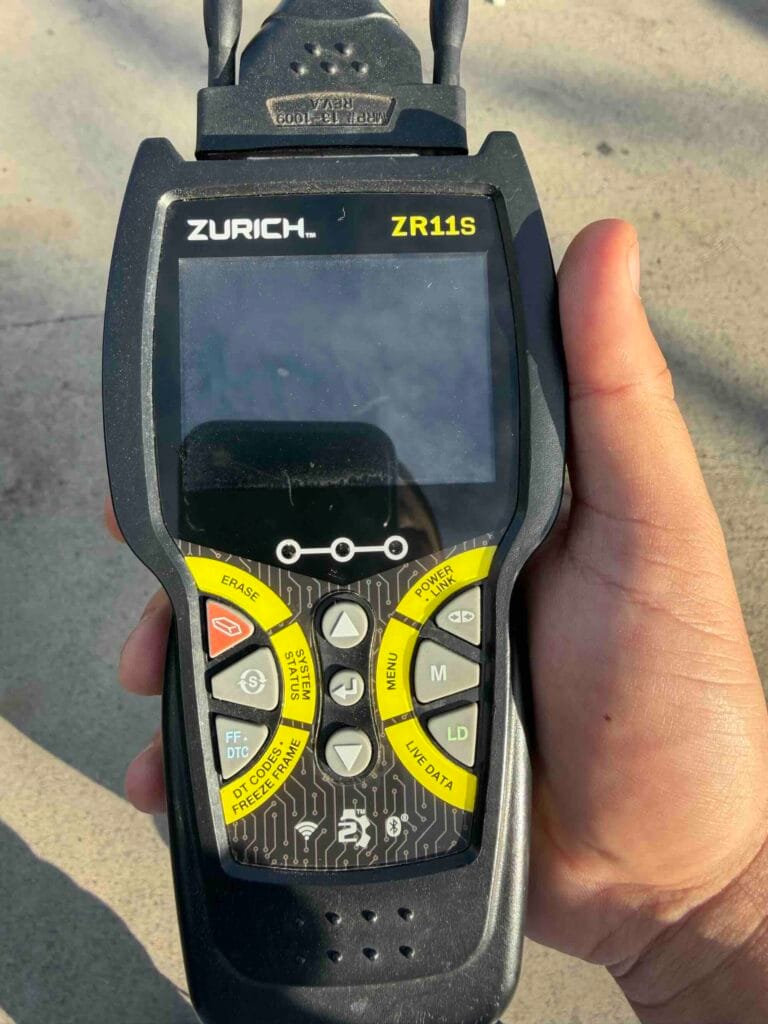
If you decide to go after one of these gas-savers on the used market, do yourself a favor and read my guide on how to buy a used car without getting scammed in California before you go look at anything. I break down the OBD2 scanner, the Carfax check, what to look at under the hood, the test drive, the title, the smog certificate, and how to close the deal safely. Twenty years of experience packed into one checklist. It’ll save you from getting duped on a hidden problem.

Need Help? Just Call Me
That’s the main thing I want you guys to take away — there are real ways to combat high gas prices, but you’ve got to shop smart. If you ever need help walking through the used car market, figuring out if a vehicle is the right fit, or just want some general advice on what to look for, my family and I are here to help. We’ve been doing this for over 20 years.
You can call me anytime — no pressure, no sales pitch, just real advice from someone who knows the Southern California market. I answer personally. You’re not going to get a corporate robot or an overseas operator.
Cypress Office — (714) 900-3723 Van Nuys Office — (818) 405-8808
Thank you guys very much, and have a good day.