
I’m not here to talk you out of selling your car privately. If that’s the route you want to go, I’ll even help you figure out how to price it — check out my guide on finding your car’s real value. But I’ve been in the Southern California car business for over 20 years, and I’ve seen too many people get burned by scammers. So before you list your car anywhere, read this.
And if you’d rather skip the risk entirely, call me at (714) 900-3723. I pay cash on the spot, handle all the paperwork, and you never have to worry about any of this. I’m Sonny Miller with GoCarBuyer.com.
The VIN Number Scam
This one is everywhere right now. You list your car on Facebook Marketplace, Craigslist, or OfferUp, and someone messages you asking for your VIN number. Then they send you a link to a website that looks 100% legit — like a car history report service — and ask you to pay for a report so they can “verify the vehicle before buying.”
It’s a scam. They’re not buying your car. They’re stealing your credit card or debit card information, and possibly your identity. A real buyer is not going to send you a link and ask you to pay for anything. If someone does this, block them and move on.
Don’t Click Links from “Buyers”
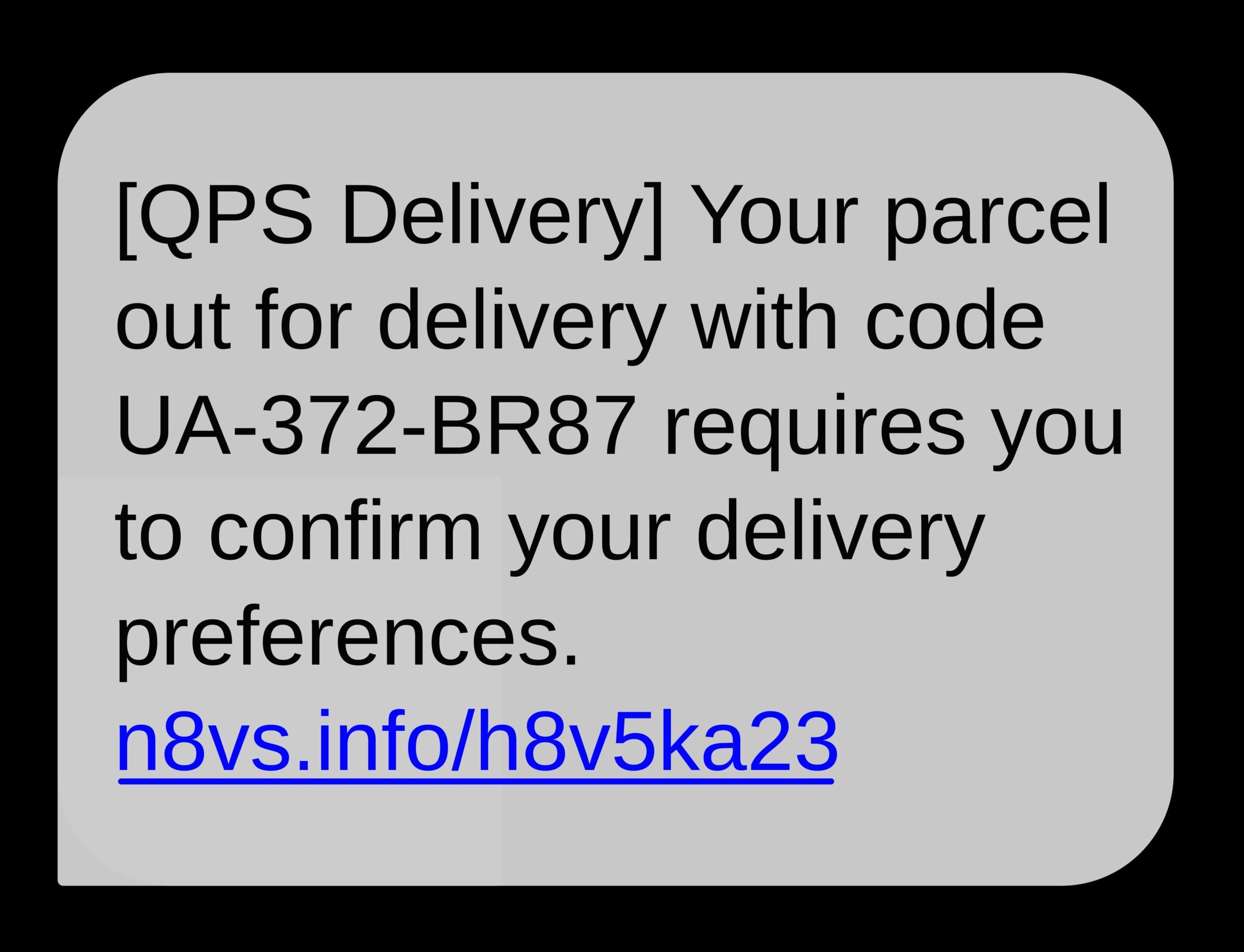
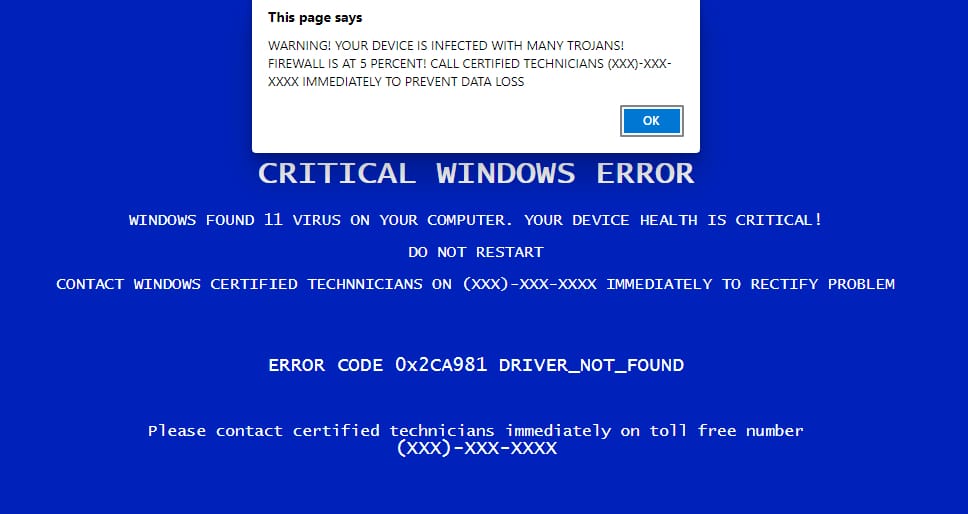
This goes beyond just the VIN scam. Any link that someone sends you through email, text, or a marketplace message could be harmful — even if it looks completely legitimate. These links can install malware, steal your login credentials, or redirect you to a fake payment site.
Now if someone wants to trade vehicles and asks you to look at their listing, that’s a little different. But even then, the smarter approach is to copy the link and open it in a private browsing window instead of clicking it directly. That way you’re not exposing your personal accounts or saved passwords.
Never Accept a Personal Check
Personal checks bounce. Cashier’s checks get forged. I’ve seen both happen to people selling cars privately, and by the time the bank tells you the check was fake, the buyer is long gone with your vehicle.
If a buyer insists on paying by check, here’s what you do: go to the bank together. Walk in, cash the check right there at the teller window, and confirm the funds are real before you hand over anything. Don’t accept a check and “wait for it to clear” — that’s exactly how the scam works.
How to Verify Cash Is Real
If someone pays you in cash and you’re not 100% sure what authentic bills look like — the watermarks, the feel, the security strip — then take it to your bank before finalizing the deal. A bank teller can verify it in seconds. Or just deposit it at the ATM — the machine will reject counterfeit bills.
This might feel like an extra step, but it takes five minutes and it protects you completely. There’s no reason to skip it when you’re dealing with thousands of dollars.
Never Hand Over Keys and a Signed Title Before Getting Paid
This is the biggest mistake I see. Someone says “let me drive it home real quick and I’ll come back with the money” or “I’ll pay you tomorrow, just let me take it tonight.” And the seller hands over the keys and a signed title because the person seemed trustworthy.
Here’s the reality: once you hand someone the keys and a signed title, the police will usually call it a “civil matter” if they don’t pay. You’ll end up fighting in court, spending more money on legal fees, and you still might never see a dime. So never hand over both the keys and the signed title until the money is in your hand and verified.
The “Transport” Scam
Watch out for buyers who say they’re out of state and want to arrange a transport service to pick up the car. Whether you’re selling in Los Angeles, Orange County, or anywhere in Southern California, this scam works the same way. They’ll offer to mail you a check — sometimes for more than the asking price — and ask you to wire back the difference. The check is always fake, but it can take days for your bank to catch it. By then, the car and your money are both gone.
A real buyer who’s out of state will either come see the car in person or send someone they trust. If someone you’ve never met wants to mail you a check and arrange a pickup sight unseen, walk away.
Always Get the Vehicle Out of Your Name
After you sell privately, do not walk away until the vehicle is completely out of your name. You can do this by going to the DMV with the buyer, visiting a DMV office or filing a Notice of Transfer and Release of Liability online, going to a AAA office, or searching for a registration service near you.
If you skip this step and the buyer never registers the car, you’re still legally on the hook. Parking tickets, red light camera violations, toll fees, even accidents — all of that comes back to you until the DMV shows a different owner. It’s not worth the headache.
Frequently Asked Questions
Is it safe to share my VIN number with a potential buyer?
The VIN itself is visible on your dashboard and registration, so it’s not secret information. But if a buyer sends you a link to a website and asks you to pay for a report using your VIN, that’s a scam. A legitimate buyer will pull their own report or ask to see the car in person.
Should I accept a cashier’s check when selling my car?
Only if you go to the bank with the buyer and cash it on the spot. Forged cashier’s checks are one of the most common scams in private car sales. Never accept a check and wait for it to clear — by the time it bounces, the buyer and your car are both gone.
What if someone wants to test drive my car?
That’s reasonable, but go with them. Never hand your keys to a stranger and let them drive off alone. Take a photo of their driver’s license before the test drive, and always meet in a public, well-lit location — not your home address.
How do I make sure the car is out of my name after selling?
File a Notice of Transfer and Release of Liability with the California DMV — you can do it online, at a DMV office, or at a AAA location. Do this within 5 days of the sale. Until the DMV updates their records, you’re still legally responsible for the vehicle.
What’s the safest way to sell my car without any risk?
Sell to someone you can verify — a real business with real reviews, a real phone number, and a real address. That’s what I offer. I pay cash on the spot — no checks, no wire transfers, no strangers test driving your car. I handle all the DMV paperwork so the vehicle is immediately out of your name. Zero risk on your end. Call me at (714) 900-3723.
Are you trying to scare people out of selling privately?
Not at all. Private sales often get you a higher price — and I’ll even help you figure out how to price your car if that’s the route you want to take. But you need to know what to watch out for so you don’t lose your car AND your money. These scams are real and they happen every day in Southern California.
Sell Smart — Whether It’s to Me or Someone Else
I genuinely want you to get a fair deal for your car, even if that deal isn’t with me. But if you’d rather skip the risk of private sales entirely — the scammers, the no-shows, the bounced checks — I’m one phone call away. I come to you, pay cash, and handle everything. No links to click, no checks to worry about, no strangers at your door.
Sonny Miller — (714) 900-3723
GoCarBuyer.com
Cypress Office: 10601 Walker St Suite 102, Cypress, CA 90630
Van Nuys Office: 6360 Van Nuys Blvd #16, Van Nuys, CA 91401
Open 8 AM – 8 PM, 7 Days a Week — Find Us on Google Maps