
I just wanted to let you guys know about one of the services we offer for business owners and fleet managers — fleet purchasing. We value your time, so we try not to waste it. We keep the process as simple as possible. Whether you’re selling one cargo van or twenty work trucks, you send me a list, I give you a quote, and we make the whole thing as seamless as we can.
If you want a quote, give me a call and I pick up personally — I can give you an offer right over the phone. Call my Orange County office at (714) 900-3723, or if you’re up in the Los Angeles area, call (818) 405-8808.
If you’d rather know more about how I work and the situations I handle before you call, keep reading — I’ll walk you through everything.

The Fleet Vehicles We Buy
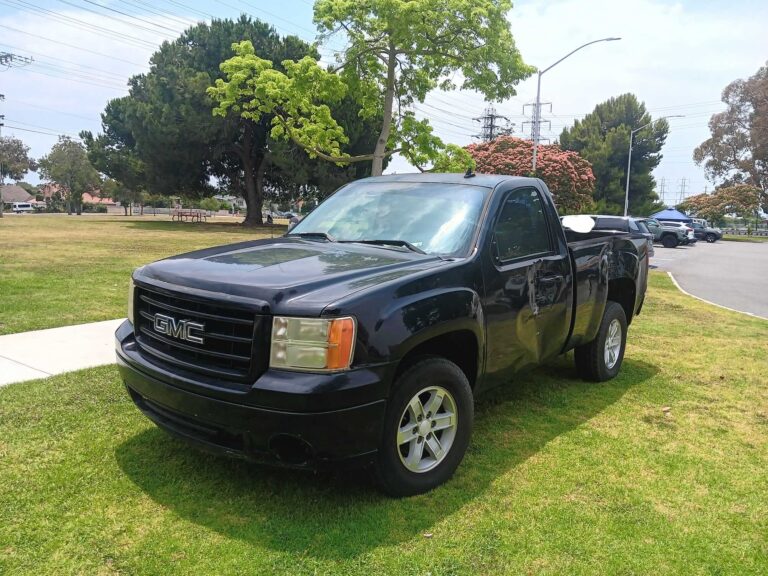
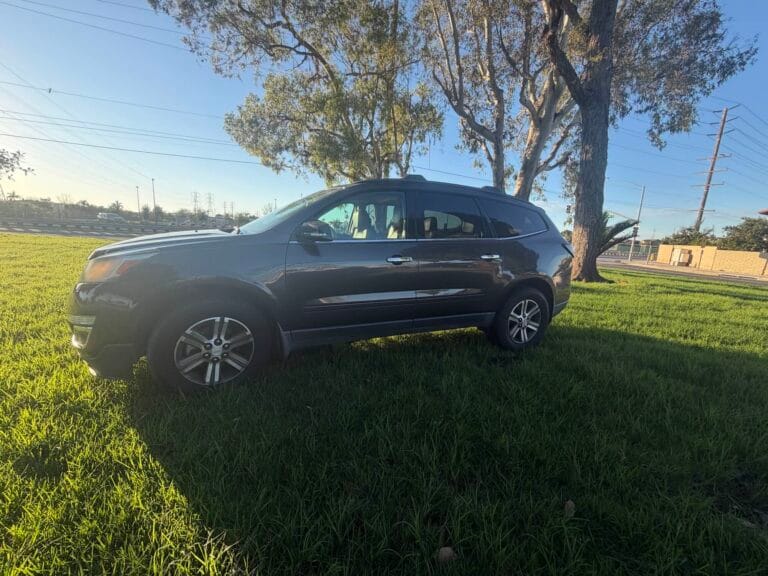
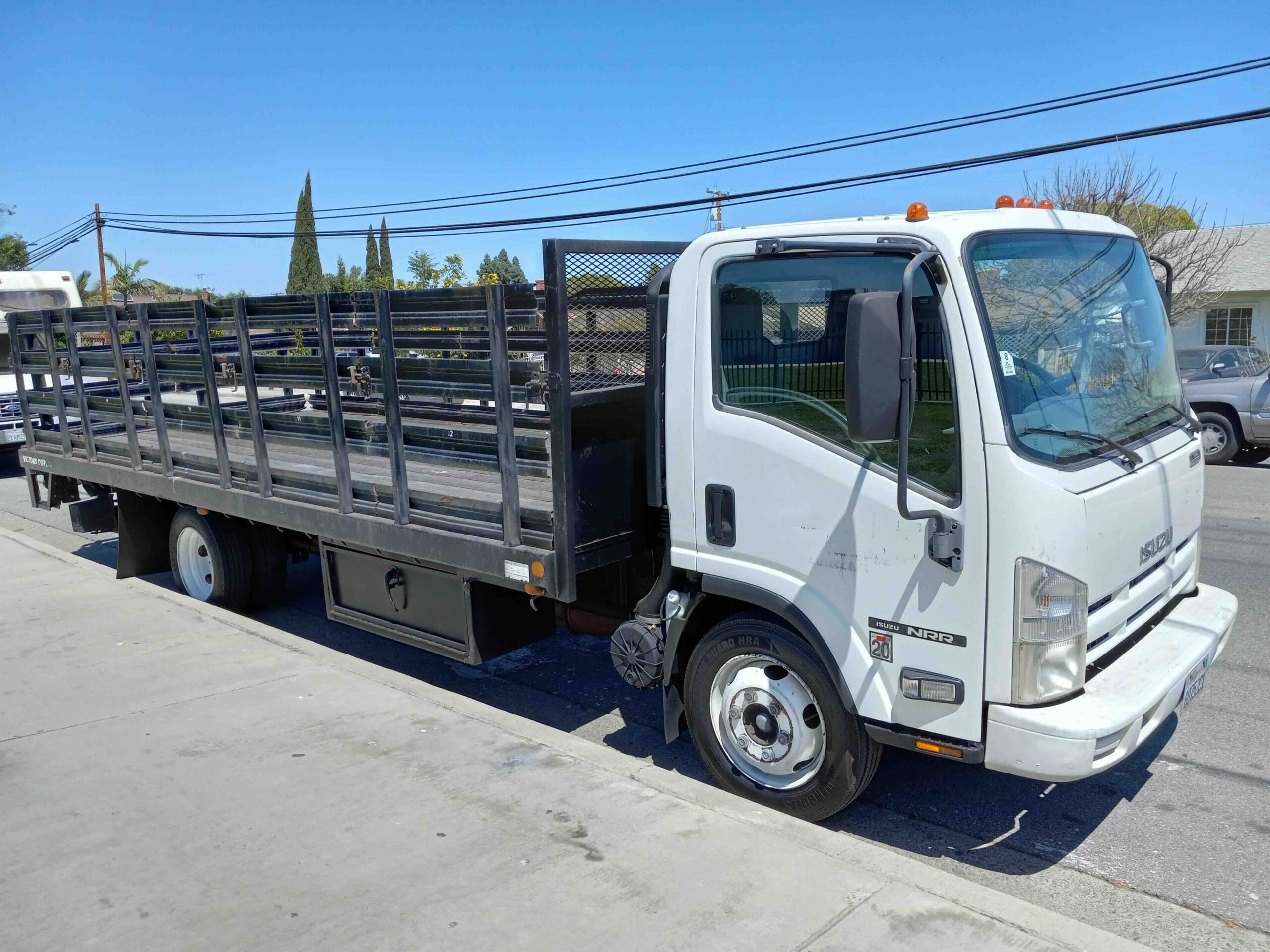
I purchase all types of fleet vehicles — cargo vans, work trucks, passenger vans, and box trucks. Gasoline or diesel, doesn’t matter to me, and I go back as far as the 1980s. Ford, Dodge, Ram, Chevy, GMC, Nissan, Isuzu, Hino, Mitsubishi Fuso — pretty much any make and model out there.
It comes down to this: if it’s a fleet vehicle, I’m interested. One vehicle or a whole yard full of them, the process is the same.
The Scenarios Other Buyers Won’t Touch
Here’s where I’m a little different. I handle the situations most buyers won’t, so let me give you a couple of real examples so you get the idea.
There was an electrical company up in the San Fernando Valley — the owner was a local electrician who was retiring, and he had five cargo vans to sell, ranging from the early ’90s up to the mid-2000s. Three of them were Ford E-350s and two were Chevy 2500s. Because he worked locally his whole career, all five had surprisingly low miles for their age.
There was a little bit to handle with this one, and we were glad to do it. He wanted to keep the utility shelving to give to a friend, so we removed all of it. Then to get them out of there, we had to air up all the tires, replace two fuel pumps, and put new batteries in every one of them.
That’s the extent we’ll go to. We handled all the paperwork, gave him a fair cash offer, and he walked away happy. We were happy too. That’s what going the extra mile actually looks like.
Another time, a transportation company down in Orange County called me. Their fleet manager had six different vehicles to sell — a few older station wagons and a few passenger vans, because they moved people around in all kinds of vehicles. We made the deal that day. Then the next morning they realized they’d left their GPS monitors inside every one of the vehicles, plus some spare units in the dashes. So they called me up, and I drove those GPS devices right back to them that same day. None of them lost, all the paperwork handled properly.
That’s the kind of thing that comes up when you’re dealing with real businesses. I go the extra step, and I’m willing to do things other companies just won’t.

We Buy Non-Running Fleet Vehicles Too
Like I mentioned with the electrician’s vans, if your fleet vehicles aren’t running, I still buy them. Cargo vans, work trucks, whatever it is — a dead battery doesn’t bother us whatsoever.
I’ll even bring my own mechanics out, and if we can get it running on the spot, we will. Sometimes it’s as simple as a jump-start or airing up flat tires, sometimes it’s as involved as a fuel pump or fresh batteries. Either way, if we can get it started, loaded, and out of there, that’s the goal. That’s the extra step most buyers won’t take, and it’s how I see the real value in vehicles other people write off.

How Long Fleet Vehicles Really Last
That electrician’s vans are actually a perfect example of something most fleet operators already sense. Fleet vehicles usually get cycled out somewhere around four to nine years depending on the vehicle and the industry. Diesels tend to last longer, they just need more maintenance along the way — but it’s usually worth it in the end.
Here’s the part that matters when you’re selling: a vehicle leaving a fleet at the end of its service cycle is nowhere near the end of its actual life. His vans were fifteen to thirty years old with low miles and still had plenty left in them. The fleet’s done with it, but the vehicle is far from done — and that’s exactly why I pay real money for these instead of treating them like scrap.
Different industries run different vehicles and replace them on different cycles. Here’s a rundown of what I see most across Southern California.
Common Fleet Vehicles by Industry in Southern California and When They’re Typically Sold
| Industry / Business Type | Typical Fleet Vehicles Used in Southern California | Typical Replacement or Lease-End Cycle |
|---|---|---|
| Construction & General Contracting | Ford F-250/F-350, Ram 2500/3500, Chevy Silverado 2500HD/3500HD, plus flatbed, stake-bed, and dump trucks | Pickups: 4–6 years / 100,000–150,000 mi. Heavy trucks: 8–10 years |
| Plumbing, HVAC & Electrical | Ford Transit, Ram ProMaster, Mercedes-Benz Sprinter, Chevy Express / GMC Savana, legacy Nissan NV | 5–7 years / 100,000–150,000 mi (leased units often on 36-month cycles) |
| Landscaping & Tree Service | Ford F-250/F-350 & Ram 2500/3500 with trailers, stake-bed trucks, dump trucks, chipper trucks | 5–8 years (hard duty cycle; often sold at 4–6 years) |
| Last-Mile Delivery & Courier | Ford Transit, Ram ProMaster, Mercedes-Benz Sprinter, Isuzu NPR box trucks | 4–6 years / 100,000–150,000 mi (high route mileage shortens the cycle) |
| Parcel & Route Delivery (Amazon / FedEx contractors) | Step vans (Morgan Olson / Utilimaster on Ford or Freightliner chassis), Sprinters, 16–26 ft box trucks | 5–8 years (step vans frequently run 10+ years) |
| Moving & Storage | 16–26 ft box trucks (Isuzu NPR, Hino 195/258, Freightliner M2), Ford Transit | 7–10 years (medium-duty; calendar age drives replacement) |
| Food & Beverage Distribution (Refrigerated) | Isuzu NPR/NQR refrigerated box trucks, refrigerated Sprinters & Transits, Hino medium-duty | 7–10 years (reefer units; box trucks run longer than vans) |
| Food Trucks & Catering | Step vans, Ford Transit, Mercedes-Benz Sprinter, Ford/Chevy cutaway chassis | 8–12+ years (build-out cost keeps them in service longer) |
| Telecom, Cable & Utilities | Bucket trucks (International, Freightliner M2), utility/service-body trucks (F-250/F-350, Ram 2500/3500), cargo vans | 7–10 years (specialized equipment extends service life) |
| Pest Control | Compact cargo vans (Ford Transit Connect, Ram ProMaster City), small pickups, Ford Transit | 4–6 years / 80,000–120,000 mi |
| Janitorial & Commercial Cleaning | Cargo vans (Ford Transit, Ram ProMaster), compact cargo vans | 5–7 years / ~100,000 mi |
| Medical & Pharmaceutical Delivery | Sedans, refrigerated cargo vans, Ford Transit Connect, Mercedes-Benz Sprinter | 3–5 years / 80,000–120,000 mi (light-duty, replaced on schedule) |
| Towing & Roadside Assistance | Rollback/flatbed carriers (Ford F-550, Ram 5500, Hino 258, Isuzu NRR), wheel-lift wreckers | 7–10 years (chassis run long; beds often transferred to a new chassis) |
| Shuttle, Transit & Passenger Service | Passenger vans (Ford Transit, Mercedes-Benz Sprinter, Ford E-Series), cutaway minibuses, Chevy Express passenger | 5–7 years / 150,000+ mi (or DOT inspection-driven) |
| Pool Service | Compact & mid-size pickups (Toyota Tacoma, Ford Ranger/F-150), cargo vans, flatbeds with tanks | 5–7 years |
| Property Management & Facilities Maintenance | Cargo vans (Ford Transit, Ram ProMaster), F-150 / Chevy Silverado pickups | 5–7 years / ~100,000 mi |
Figures are typical industry ranges, not guarantees. Actual replacement timing depends on annual mileage, duty cycle, maintenance history, and whether the vehicle is owned or leased. Light-duty vehicles are usually retired by age or mileage; medium- and heavy-duty trucks are more often retired by calendar age as repair and downtime costs climb.
What Goes Into Your Offer
When you call, I give you a quote over the phone, and I stick to my prices. I’m not going to give you one number on the phone and then lowball you when I show up. I’ll give you a rough estimate up front, and if something’s different when I get there than what you described, we just take that into account honestly.
A few things factor into the number: high miles, broken or missing parts, damage, the cost of any repairs the vehicle needs. But I’m not going to price-gouge you over something small — a flat tire isn’t going to wreck your offer. And if the registration isn’t up to date, I handle that too. Pretty much any DMV situation, I take care of on my end.
Got Non-Compliant Commercial Vehicles? — Here Are Your Options
Let me be straight with you about the compliance laws, because they hit a lot of businesses hard. The CARB emission rules in California affect a ton of fleet operators, and I understand what that put you through. If you got the notification from the state, you already know the deal — California is phasing out a lot of older diesel vehicles, and whether yours is affected depends on the weight and the year.
Here’s how I’d think about it. You’ve got two real options:
First, I buy these vehicles as-is. No hassle, I take them off your hands.
Second, if you’ve got the time and you want to try for more, you can sell them yourself — but you’d have to sell them out of state, since you can’t register them here in California anymore. You can check the CARB regulations here to see exactly where your vehicle stands. I’d rather tell you the truth about your options than just push my offer. But if the out-of-state runaround isn’t worth it to you, I’m one phone call away.
A Word of Advice on Catalytic Converter Theft
I also buy vehicles missing their catalytic converters, because this is a major problem for business owners and I’ve dealt with it personally — thieves have hit my own vehicles, and I’ve bought plenty of vehicles where the converter was already gone.
Thieves specifically target company vehicles, because those usually have the most precious metals in the converter and they’re built bigger. They also know a business yard usually isn’t watched around the clock. So here’s the one real tip I’ll give you: it’s worth getting cage or shield protection installed on your fleet’s converters. It’s an extra investment up front, but it can save you thousands down the road. And if a thief already got yours, no problem — I still buy the vehicle.
We Come to You Across Southern California
I come to you as fast as I can, usually the same day. If you need something sold and gone today, I’ll do everything I can to make that happen, and if not, we get it done the next day. Speed and service are what I care about.
And with me, you don’t need all the service records. If you’re missing titles, lost the paperwork, whatever the situation is — I handle the title side for you. Whether you’re in Los Angeles County, Orange County, Riverside County, San Bernardino County, or Ventura County, I’ll meet you at your home, your office, or your storage yard — within hours of your call.
I pay cash, wire transfer, check, Zelle, or Cash App, whatever’s convenient for you. One vehicle or your whole fleet, it’s the same easy process. Instead of junking these to a yard or taking lowball offers from other companies, I do my best to give you fair market value for what you’ve got.
Frequently Asked Questions About Selling Fleet Vehicles
What types of fleet vehicles do you buy?
Cargo vans, work trucks, passenger vans, and box trucks — gas or diesel, going back to the 1980s. Ford, Dodge, Ram, Chevy, GMC, Nissan, Isuzu, Hino, and Mitsubishi Fuso, among others. If it’s a fleet vehicle, I’m interested.
Do you buy non-running fleet vehicles?
Yes. A vehicle that won’t start is no problem — I’ll still buy it, and I’ll even bring my own mechanic out to get it running if I can, anything from a jump-start to a fuel pump.
Do I need the titles and service records to sell?
No. If you’ve got the maintenance records, that helps, but you don’t need them. And if you’re missing the title or lost the paperwork, I handle the DMV side for you.
How fast can you come look at my fleet?
Usually the same day. If you need it sold and gone fast, I do everything I can to make that happen, and if same-day doesn’t work out, we get it done the next day.
Do you buy just one vehicle or a whole fleet?
Both. One cargo van or twenty work trucks — it’s the same simple process. You send me a list and I quote every vehicle on it.
Do you buy non-compliant vehicles affected by California emissions laws?
Yes. I purchase CARB non-compliant vehicles as-is. If you’d rather try to sell them yourself out of state for more, I’ll be honest with you about that option too.
What if my fleet vehicles are missing catalytic converters?
I still buy them. Missing catalytic converters, missing parts, high miles — none of it stops me from making you a fair offer.

Ready to Sell Your Fleet?
If you’re downsizing, upgrading, or just tasked with clearing out vehicles that are tying up space and money, I’m here to make it effortless. I pick up personally, I’m not a corporate robot, and I won’t waste your time. Don’t hesitate to leave a contact request on our homepage with your make and model, or call me directly.
See what other Southern California business owners say on our customer reviews page.
Sonny Miller Orange County (Cypress): (714) 900-3723 Los Angeles (Van Nuys): (818) 405-8808 Open 8 AM – 8 PM, 7 Days a Week — Find Us on Google Maps