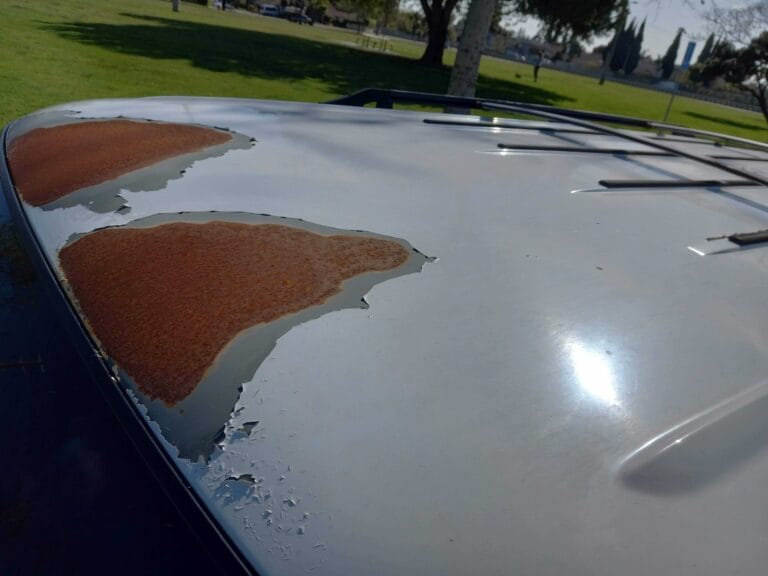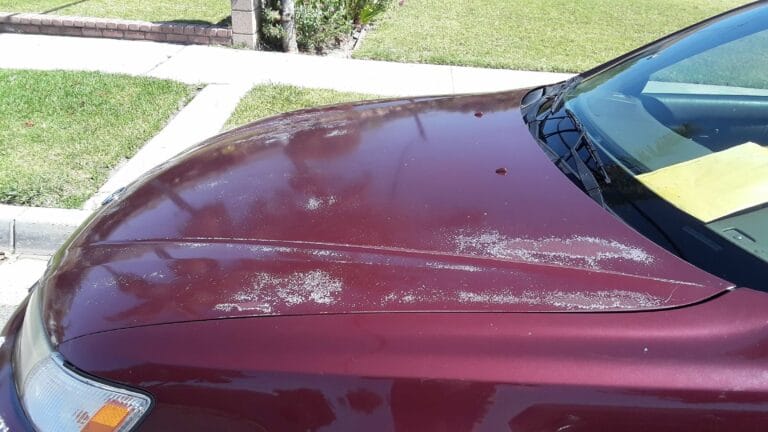

I’ve been buying cars in Southern California for over 20 years, and I can tell you this — 8 out of 10 times, the car I’m looking at hasn’t been cleaned properly in years. Dog hair, breadcrumbs, water spots, cobwebs on the wheels. All of it drops the value of your car. But here’s the good news: most of these things can be fixed in a few hours with stuff you already have at home.
I’m going to walk you through exactly how to do it — the same tips I’ve used myself over 20 years in the car business. These simple steps can add hundreds, sometimes thousands, to your car’s value. And if you’d rather just sell it as-is without the hassle, that works too. Call me at (714) 900-3723. I’m Sonny Miller with GoCarBuyer.com.
Start with the Vacuum — It’s the #1 Thing People Skip
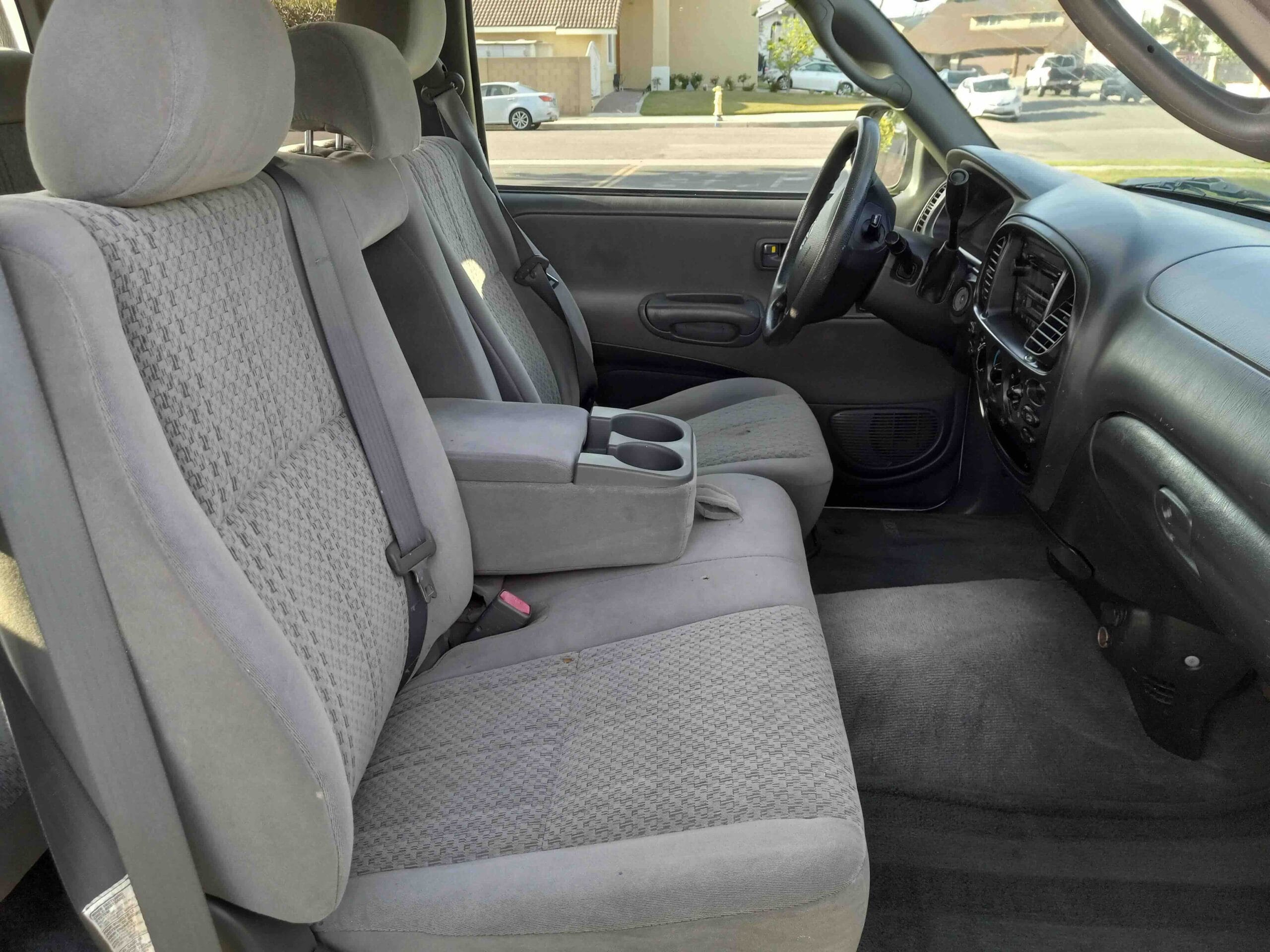
I’ve bought cars that hadn’t been vacuumed in 10 years. Dog hair, skin cells, food crumbs, spilled drinks — all of it adds up to a smell and a mess that screams “this car wasn’t cared for.” And that perception alone drops what any buyer is willing to pay.
If you don’t own a Shop-Vac, don’t worry. Plenty of car washes in Southern California include free vacuuming with a basic wash. Here are a couple I recommend:
- H2O2GO (Orange County) — About $10 for their entry-level wash, free vacuums after.
- Quick Quack Car Wash (common throughout Riverside County and beyond) — Around $12 per wash with free vacuuming.
Even an 8-year-old can run a vacuum. Don’t skip this step — it’s the easiest win you’ll get.
Mold and Algae — Especially on Beach Cars
If your vehicle has been sitting near the beach, there’s a good chance it’s collected algae or mold on the exterior. I see this a lot, especially on white cars. And here’s something important — don’t just use soap and water on this stuff. Soap won’t cut through mold or algae properly.
What you actually need is an all-purpose cleaner (APC). You can grab Super Clean from Walmart — $6 for a spray bottle, $10 for a gallon, or $25 for a 2.5-gallon jug if you want the best value. This stuff is gold for cleaning cars because you can use it on almost everything. For mold and algae specifically, you can even add a splash of Clorox to your APC mix to really knock it out.
I highly recommend pressure washing for the final rinse. If you don’t have a pressure washer at home, hit up a DIY coin-op car wash — most of them start at around $5. The high pressure gets into places a garden hose can’t touch.
Clean Windows Make a Massive Difference
Right before you take photos of your car to list it, clean your windows properly. Most people just spray Windex and wipe — that doesn’t get out water spots, calcium buildup, or foggy glass. Here’s what actually works.
Use steel wool rated 0000 or 000 (the finest grade) along with Windex. Don’t worry about getting expensive Windex — any brand works, even Dollar Tree. The steel wool combined with the cleaner cuts through water spots and hard mineral buildup that a rag alone can’t touch. And because it’s such a fine grade, it won’t scratch your glass.
For really heavy water spots or calcium buildup, step it up to a polishing compound or rubbing compound with the steel wool. This will strip that stuff right off and leave your glass looking clear again.
Cobwebs Tell Buyers Your Car Has Been Neglected
I’ve seen so many people post photos of their car with cobwebs all over the wheels and bumpers. Those cobwebs instantly tell buyers “this car hasn’t been used in years” — even if that’s not true. And it drops your listing price before anyone even reaches out.
Here’s the fix, and it sounds weird but trust me: use a regular broom. Not water, not a leaf blower — just a broom or any stiff brush you have at home. Sweep off the cobwebs first, then start your cleaning process with APC and water. A garden hose works fine, but high pressure from a DIY car wash is even better.
Getting Out Stains on Seats and Carpet
Stains are the #1 thing that makes a clean interior look dirty. And the longer they sit, the harder they are to remove. So my first piece of advice is simple: if you spill something, clean it right away. But if you’ve got old stains that have been there for years, here’s what actually works.
What You’ll Need
- Shop vac (wet/dry vacuum) — Don’t worry about expensive extractors. A basic shop vac is all you need. Borrow one from a friend if you don’t own one.
- Spray bottle filled with: 30% APC (Super Clean), hot water, and a small squirt of Dawn dish soap.
- Hand brush from the dollar store — or even better, a drill brush attachment if you have a drill.
The Stain Removal Process
Shake your spray bottle and soak the stain thoroughly. Hot water makes a huge difference here, so use the hottest water your bottle can handle. Let it sit for a minute, then agitate the stain vigorously with your brush — or if you have the drill brush, let the drill do the work for you.
Once the stain looks mostly lifted, take your shop vac and slowly pass it back and forth over the area. The shop vac sucks up the dirty water and any remaining residue — and you’ll see instant results. I’ve seen stains that sat in cars for 10 years come right out with this method.
Important tip: After you remove a stain, clean the rest of the seat or carpet area too. Otherwise you’ll end up with a clean patch surrounded by dirty fabric — and that looks worse than the stain did. Just blend it in with the same process (you don’t have to be as vigorous on the rest of it).
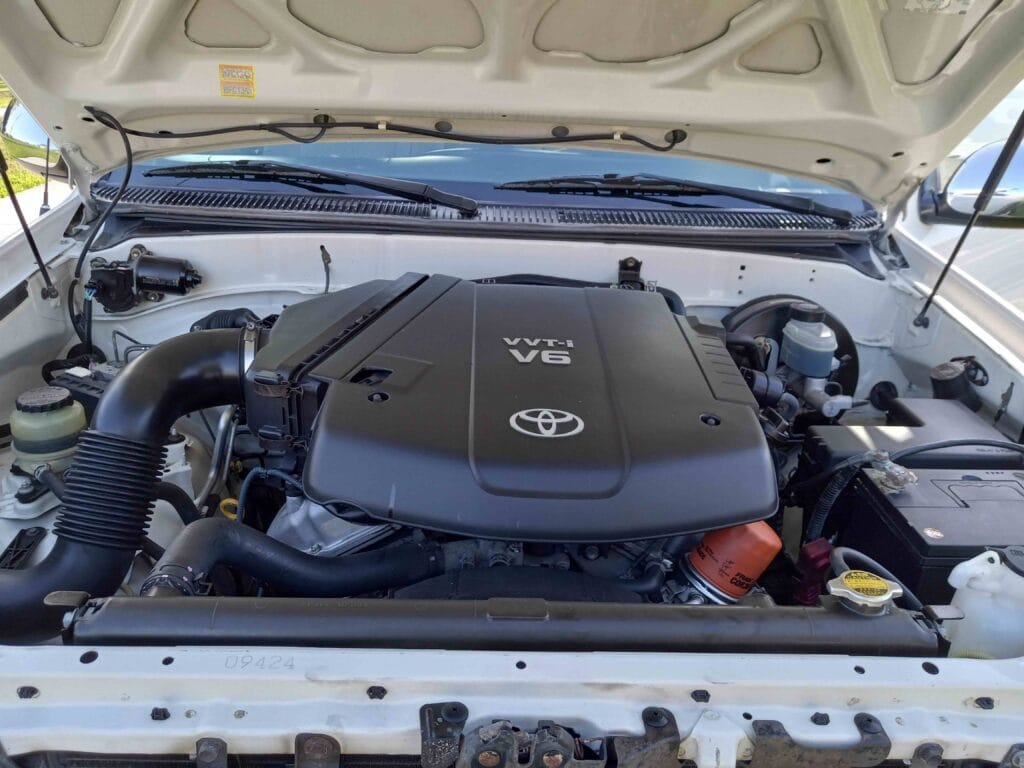
Cleaning the Engine Bay (Be Careful!)
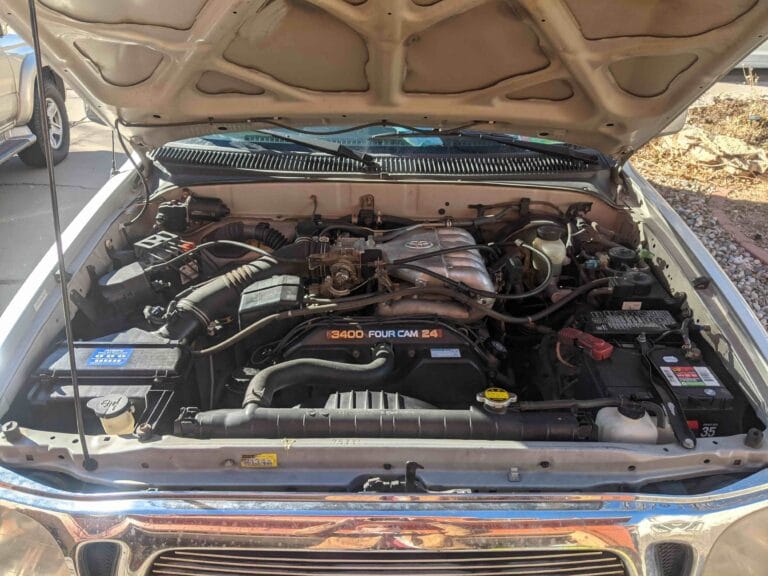
A clean engine bay almost looks brand new, and it’s one of the biggest value-add moves you can make before selling. But you have to be careful — water can get into your spark plug wells and cause misfires. So here’s how to do it right.
Start with the broom trick — sweep out all the cobwebs and dust buildup first. Once you’ve done that, use straight APC (undiluted) in a spray bottle. If your engine is heavily caked with oil, brake dust, and carbon, you want the full strength stuff. Spray every hose, every surface, every crevice. Don’t stop spraying until the whole bay is soaked.
Let it sit, then agitate with a handheld brush in the areas you can reach. For the tough spots, just soak them more and let the APC do the work. When it’s time to rinse, avoid spraying high pressure directly into spark plug areas. Soft pressure is safer and still gets the job done.
When it’s dry, your engine bay will look dramatically better — and buyers notice. It signals that you actually cared about this car.
Don’t Forget the Wheels and Rims
When you’re cleaning the tires, don’t stop at just the rubber. Hit the whole wheel — the rim, the spokes, everything. Same APC solution works great here. Chrome wheels with oxidation, alloy wheels with brake dust buildup — it all comes off with a good scrub.
Clean wheels make a car look 10 years newer in photos. Takes 15 minutes, costs almost nothing.
The Clay Bar + Hand Polish Trick (Biggest Value Boost)
This is the one that adds the most visual impact, and it’s easier than most people think. You don’t need fancy buffers or power tools — just towels, a clay bar, and some polish.
Step One: Clay Bar
After your car is washed, grab a clay bar ($5-$10 at most auto parts stores). Fill a bucket with water and a small squirt of car soap — just enough to make it slippery. Dip the clay bar in the soapy water and glide it back and forth across each panel.
The clay pulls out everything embedded in the paint — tree sap, dust, oxidation, anything that’s been baked into the surface from sitting in the sun. Your paint will feel silky smooth when you’re done.
Step Two: Hand Polish
After the clay bar, apply a finishing polish by hand. A good Meguiar’s polish runs about $30 and goes a long way. Use one towel to apply, and a separate towel to buff off the dried polish.
Work one section at a time — don’t try to polish the whole car at once. Small sections give you better control and a cleaner finish. Do this in the shade or inside a garage. Direct sunlight dries the polish too fast and you end up with streaks.
When you’re done, compare before and after photos. The difference is night and day — and that difference translates directly into a higher sale price.
Should You Just Pay for a Professional Detail Instead?
If your time is more valuable than your money, a professional detail runs $300 to $500 for an entry-level interior and exterior job. Deep details (heavy pet hair, serious stains, paint correction) can run significantly more than that.
But if your car is worth $5,000 and you spend $400 on a detail that lets you sell it for $6,500, that’s a great investment. On a $2,000 car, a $400 detail probably doesn’t make financial sense — that’s when doing it yourself is the smarter move.
What If Your Car Has Bigger Issues Than Just Being Dirty?
Cleaning your car up is great when the underlying vehicle is solid. But if your car has real problems — high mileage, a check engine light, expired registration, or it’s been sitting in storage for years — detailing alone won’t fix those things. I buy vehicles in every condition, clean or dirty, running or not. So if the juice isn’t worth the squeeze on cleaning it up, just call me and I’ll come give you a fair number.
Frequently Asked Questions
How much value does detailing add to a car before selling?
It varies based on the car’s overall value, but a clean car typically sells for $500 to $2,000+ more than a dirty one. The bigger the price tag, the bigger the detail adds. On higher-value cars, a $400 detail can return $1,500+ in sale price.
Can I clean my car well enough at home to skip the detailer?
Yes, absolutely. With a shop vac, some APC cleaner, steel wool, a clay bar, and a couple of hours, you can get results that look close to a professional detail. The main difference is time — pros just do it faster.
What’s the best all-purpose cleaner for cars?
Super Clean from Walmart is what I recommend. It’s cheap — $6 for a spray bottle, $10 for a gallon — and it cuts through grease, dirt, grime, and stains. Dilute it with hot water for interior use or use it full strength on engine bays and wheels.
Will cleaning my car actually increase my offer from you?
A cleaner car helps, but honestly — I’m looking at mechanical condition, mileage, and the underlying value of the vehicle. A sparkling clean car with a blown engine isn’t worth much more than a dirty one with a blown engine. So don’t spend hundreds on detailing if the car has bigger issues. Just call me for an honest offer.
Is it safe to pressure wash my engine bay?
Yes, but be careful. Water can get into spark plug wells and cause misfires. Use soft pressure around electrical components and avoid spraying directly at spark plugs, alternators, and exposed sensors. Start with low pressure and increase as needed.
How do I get mold or algae off a car that’s been sitting?
Don’t use regular soap — it won’t cut through mold or algae. Use an all-purpose cleaner like Super Clean, and for tough spots, add a small amount of Clorox to your mix. Follow up with a pressure wash or high-pressure rinse at a DIY coin car wash.
Clean It Up or Call Me — Either Way Works
If you’ve got the time and want to squeeze every dollar out of your car, use these tips — they genuinely work. But if you just want to sell the thing as-is and move on, I’m one phone call away. I come to you anywhere in Southern California, handle all the paperwork, and pay on the spot. Dirty car, clean car, running or not — none of it matters to me.
Sonny Miller — (714) 900-3723
GoCarBuyer.com
Cypress Office: 10601 Walker St Suite 102, Cypress, CA 90630
Van Nuys Office: 6360 Van Nuys Blvd #16, Van Nuys, CA 91401
Open 8 AM – 8 PM, 7 Days a Week — Find Us on Google Maps